Last updated November 18, 2026








Free in-home design visit - walk-in showers, tub-to-shower conversions, and Kohler, Moen, and Delta fixtures planned to your exact space
Bathroom Remodeling Maintenance Schedule: What to Do and When
The number one reason a beautiful remodel looks tired within three years isn’t cheap materials. It’s that homeowners were handed a gorgeous bathroom and zero instructions for keeping it that way. Tile and stone don’t fail because they’re weak. They fail because water finds the one joint nobody resealed, and because the minerals in Spring Valley water quietly etch glass and coat fixtures while everyone assumes the bathroom cleans itself. What follows is the calendar we wish every homeowner had pinned inside the vanity door: what to do monthly, seasonally, and annually, why the timing shifts when your water is hard, and which tasks genuinely need a specialist. It’s written for Spring Valley homes, where temperature swings and mineral-heavy water set the pace.
Quick Answer
A remodeled bathroom needs light weekly cleaning, a monthly fixture and drain check, grout resealing every 12 to 24 months depending on shower use and water hardness, annual caulk inspection with replacement where it’s cracked, and a yearly professional look at waterproofing, ventilation, and shut-off valves. In Spring Valley, mineral buildup and large indoor-outdoor temperature swings push you toward the shorter end of every interval.
Styles & brands we work with
- Walk-in shower
- Tub-to-shower
- Freestanding tub
- Kohler
- Moen
- Delta
- Frameless glass
Table of Contents
- Month-by-Month Maintenance Calendar
- When to Reseal Grout (The Spring Valley Answer)
- How to Descale Toto, Grohe, and American Standard Fixtures Safely
- The Annual Inspection Checklist
- Pro Tasks vs. 20-Minute Homeowner Tasks
- Managing Caulk and Grout Through Temperature Swings
- Caring for a Walk-In Shower
- Common Mistakes to Avoid
Month-by-Month Maintenance Calendar
Generic schedules assume a mild, humid climate and average water. Spring Valley is neither. Our water runs hard with dissolved minerals, and the desert swing between a hot afternoon and a cold night works caulk and grout joints the way a stress test works a bridge. So the calendar below compresses the light tasks and front-loads the ones that protect the waterproofing layer. Print it, tape it inside a cabinet, and treat the monthly items as a 15-minute habit.
- Every week: Squeegee glass and tile after the last shower, run the exhaust fan during and for 20 minutes after, and wipe chrome with a soft cloth. This single habit does more for a walk in shower than any deep clean.
- Every month: Check the drain for hair and slow flow, look at the caulk line where the wall meets the floor, and run hot water down unused drains to keep traps from drying out.
- Every three months: Descale the showerhead and faucet aerators, inspect grout for pinholes and dark spots, and test the shut-off valves under the sink.
- Twice a year (spring and fall): Deep-clean grout, re-caulk any joint that’s pulling away, and check the toilet base for movement or staining.
- Once a year: Full waterproofing and ventilation inspection, seal stone countertops, and confirm the exhaust fan still vents outdoors.
That rhythm takes less time per month than a single trip to the hardware store. The reason it works is that it catches small failures while they’re still cosmetic.
When to Reseal Grout (The Spring Valley Answer)
Reseal grout every 12 months in a daily-use shower with hard water, and every 18 to 24 months in a guest bath that sees occasional use. The calendar is a starting point, not the rule. The real question is how fast your specific shower pushes water past the sealer, and in Spring Valley that happens faster than the national advice suggests.
Grout is porous. Sealer fills those pores so water beads on the surface instead of soaking in. Once the sealer wears thin, water reaches the thin-set and the substrate behind the tile. That’s the slow path to a failed shower pan, loose tile, and a repair that costs far more than resealing ever would.
Here’s the water-drop test we recommend: splash a few drops on the grout in the shower floor and the wall. If they bead up, the sealer is holding. If they soak in and darken the grout within a minute, it’s time. Two other signals mean reseal now regardless of the calendar:
- Grout lines that darken and stay dark after a shower
- Chalky, powdery residue when you rub a finger across the joint
- Visible pinholes or hairline cracks in the grout
Water hardness is the variable most guides skip. Hard water leaves mineral deposits that degrade sealer and abrade grout over time, so a Spring Valley shower effectively ages its grout faster than a soft-water shower in another region. That’s why we tell homeowners here to plan on the 12-month end of the range and to reseal sooner if the water-drop test fails. Knowing when the waterproofing behind the tile was done matters as much as the sealer itself, which is why we build showers with Schluter waterproofing systems before the first tile goes down.
How to Descale Toto, Grohe, and American Standard Fixtures Safely
Descale fixtures with a mild acid like white vinegar diluted in water, soak no more than 20 to 30 minutes, then rinse and dry. Skip abrasive pads and heavy-duty bathroom cleaners with bleach or ammonia on finished trim. The finish is the part that fails first, and a scratched finish can void a manufacturer’s warranty.
Hard water is the enemy here, and in Spring Valley it shows up as white scale on showerheads, faucet aerators, and the edges of glass panels. Every brand has its own recommendations, so match the method to the fixture:
- Toto: Their ceramic finishes and sanitizing glazes are durable but not indestructible. Use a soft cloth, a mild soap, and a vinegar soak for the aerator and showerhead. Avoid scouring powders on any glazed surface. If your Toto has electronic controls, never spray cleaner directly at the control panel; wipe with a damp cloth instead.
- Grohe: Their chrome and brushed finishes are designed to shrug off daily use, but acid-based descalers are for the showerhead and aerator only, never the trim. Remove the showerhead, soak it in diluted vinegar, rinse, and reinstall. Wipe the faucet body with warm soapy water.
- American Standard: A workhorse fixture that responds well to routine descaling. Soak the showerhead and aerator, and use a non-abrasive cleaner on the finish. Their finish warranties generally exclude damage from harsh chemicals, so stay with mild products.
The safe rule for every brand: read the maintenance section of the manual before you buy a cleaner. When in doubt, water and a soft cloth win. Descaling every three months keeps the scale from ever getting ahead of you.
The Annual Inspection Checklist
Once a year, do a full top-to-bottom walkthrough that looks past the cosmetic surface and checks the parts that protect the structure. This is the inspection a bathroom specialist runs to catch waterproofing problems before they reach the subfloor. It takes about an hour and can save a five-figure repair.
- Caulk and grout joints: Look at every joint in the shower, around the tub, and along the floor. Press a fingertip into the caulk. If it’s hard, cracked, or peeling back, it’s no longer sealing.
- Waterproofing layer: Look for recurring dark spots or efflorescence (white powder) on grout, tile that sounds hollow when tapped, or softness at the base of a wall. These point to moisture where it shouldn’t be. If you see them, stop and call a pro.
- Ventilation: Turn on the exhaust fan and hold a tissue to the grille. If it doesn’t pull the tissue, the fan is weak or its duct is blocked. Confirm the duct actually exits the home and not just into the attic.
- Shut-off valves: Turn each valve under the sink and behind the toilet a quarter turn and back. Valves that haven’t moved in years can seize or fail when you need them most.
- Supply lines and drains: Look for corrosion or bulging on braided lines and slow drains that hint at a partial clog.
- Toilet base and tank: Check for movement, staining, or a loose bolt. A rocking toilet can break the wax seal and let water into the floor.
Any single red flag on this list is worth a professional look. Two flags at once means don’t wait. If your bathroom is due for a bigger change and you’re weighing options, see our guide to bathroom remodeling for how a specialist verifies the waterproofing layer before any repair.
Pro Tasks vs. 20-Minute Homeowner Tasks
Separate the maintenance into two buckets: what a homeowner can do in under 20 minutes, and what genuinely needs a trained specialist. Getting this wrong is how small cosmetic issues become structural repairs.
Homeowner tasks (under 20 minutes):
- Squeegeeing glass and tile after a shower
- Wiping fixtures with a soft cloth
- Running the exhaust fan and clearing the grille
- Descaling a removable showerhead or aerator
- Replacing a caulk bead along a flat joint you can reach safely
- Testing shut-off valves and checking for slow drains
Professional tasks:
- Re-sealing or re-grouting a shower floor and wall, where the wrong product can trap moisture
- Any repair that opens the waterproofing layer
- Diagnosing recurring moisture, hollow tile, or a soft wall
- Replacing a failed shut-off valve or supply line that requires working on the water supply
- Anything that means opening a wall or touching the plumbing rough-in
The overlap is resealing. A homeowner can reseal a flat, reachable surface with a quality product. But shower floors and shower walls sit directly over the waterproofing layer, and the wrong sealer or an improper cure can create a moisture trap. That’s where we recommend a specialist. Our technicians have up to 10 years of experience and work on bathrooms every day, so they know when a resealing job is routine and when it’s masking a leak. Call (844) 312-0122 for a free estimate if you’re unsure which bucket a task falls into.
Managing Caulk and Grout Through Temperature Swings
Spring Valley’s desert swing from a hot afternoon to a cold night works caulk and grout harder than a steady climate would. Materials expand and contract with the temperature and humidity, and the joints take that movement flex by flex. Over a couple of years, caulk that was supple becomes brittle, and grout that was tight develops hairline cracks. Neither is a sign of a bad remodel. It’s physics, and it’s predictable.
The practical response is to prioritize caulk inspection in spring and fall, when the seasonal shift is sharpest. In the fall, after the hottest stretch, check every caulk line before the cold sets in; heat has had all summer to stress those joints. In spring, inspect again after the winter cool-down. Replacing a bead of caulk takes minutes. Ignoring it lets water past the joint and into the framing.
A few habits shrink the stress on the joints:
- Run the exhaust fan during and after showers to keep indoor humidity steadier.
- Keep the bathroom out of direct, intense afternoon sun, which heats the room far above the rest of the house.
- Repair cracked grout promptly so the joint stays flexible where it should and rigid where it shouldn’t.
- Use a quality, mold-resistant silicone caulk at joints and standard cement grout with the right sealer on tile.
When the caulk has been replaced and the grout is sound, the joint system is doing its job: it absorbs movement so the tile and the substrate behind it don’t have to. That’s the difference between a bathroom that looks new at year five and one that needs recaulking in year two.
Caring for a Walk-In Shower
A walk-in shower in Spring Valley needs the same rhythm as any shower, plus attention to the linear drain and the glass. The open design, often done to improve accessibility and open up the space, also means water reaches more of the wall and floor, so the waterproofing and the tile both get more exposure. Here’s the routine we recommend:
- Daily: Squeegee the glass and tile, and run the exhaust fan for 20 minutes after the last shower.
- Weekly: Clear the linear drain of hair and debris, and wipe the metal grate. A clogged drain is the most common cause of standing water and a slick, hazardous floor.
- Monthly: Descale the showerhead and check the caulk at the base of the walls.
- Annually: Reseal grout and inspect the waterproofing layer, especially around the drain and at the floor-to-wall seam.
The linear drain is the maintenance point people forget. It collects hair and soap scum faster than a center drain because the water flows across a longer channel, and once it clogs, water sits on the shower floor. Clearing it weekly takes a minute and keeps the shower from becoming a slip hazard. If your shower was built with a walk-in design and you want to understand how the waterproofing is layered, our walk in shower guide explains what to look for. A tub-to-shower conversion done with this care holds up for years without a leak, which is why we waterproof with Schluter systems before the tile goes in.
Common Mistakes to Avoid
- Treating the calendar as fixed. National advice says reseal every year or two. With Spring Valley’s hard water, the shorter end applies, and the water-drop test should override the calendar entirely.
- Using bleach or ammonia on finished fixtures. These cleaners attack plated finishes and can void a warranty on a Toto or Grohe faucet. Stick to mild soap and a soft cloth.
- Caulking over wet or dirty joints. New caulk won’t stick to moisture or grime, and it will peel within months. Clean and dry the joint fully before you apply.
- Ignoring the exhaust fan. A weak or blocked fan leaves moisture in the air, and desert or not, that moisture finds the caulk and grout. Test the fan every year.
- Letting the linear drain clog. A walk-in shower with a blocked drain holds standing water and becomes a slip risk.
- Skipping the waterproofing check. Dark grout, hollow tile, or soft walls are early warnings. Waiting to look means the repair grows behind the tile.
- Patching a plumbing leak yourself. Supply lines and shut-off valves are under pressure. A failed DIY fix can cause significant water damage.
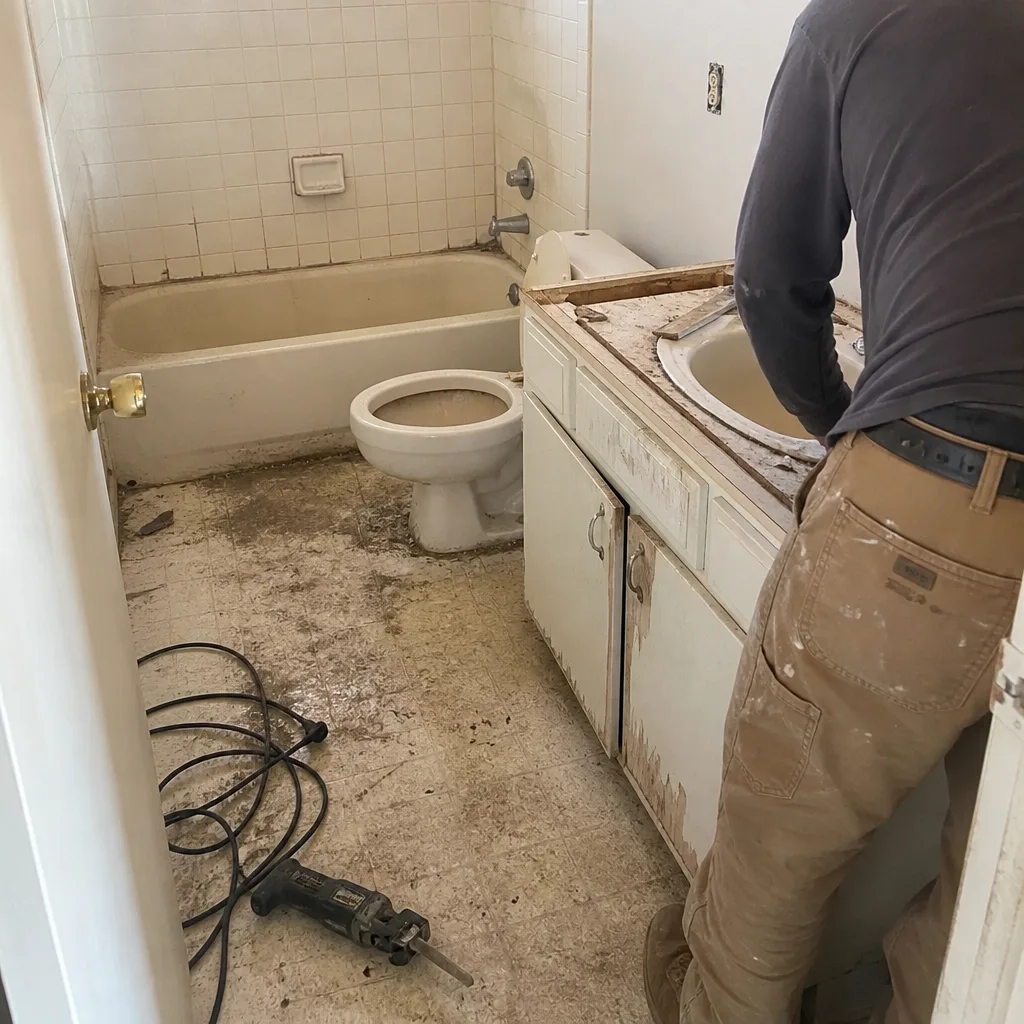
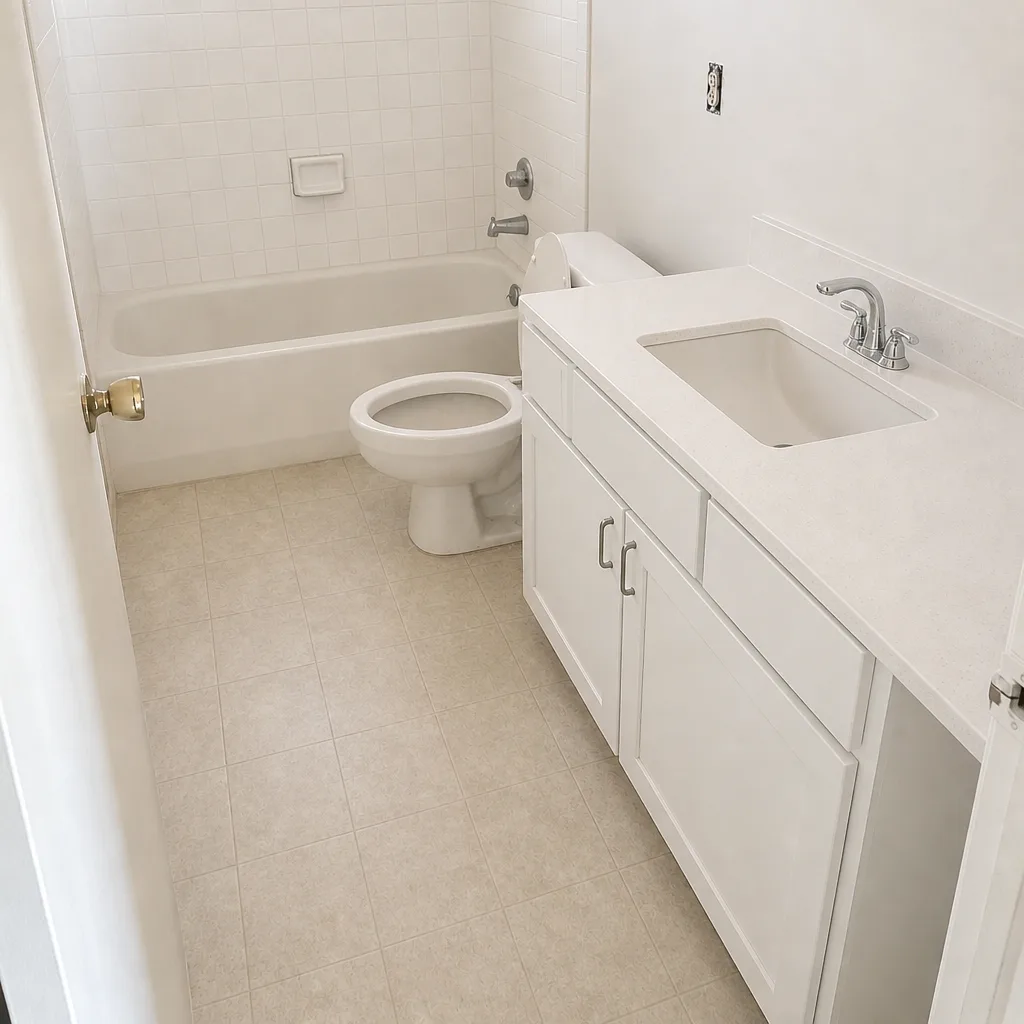
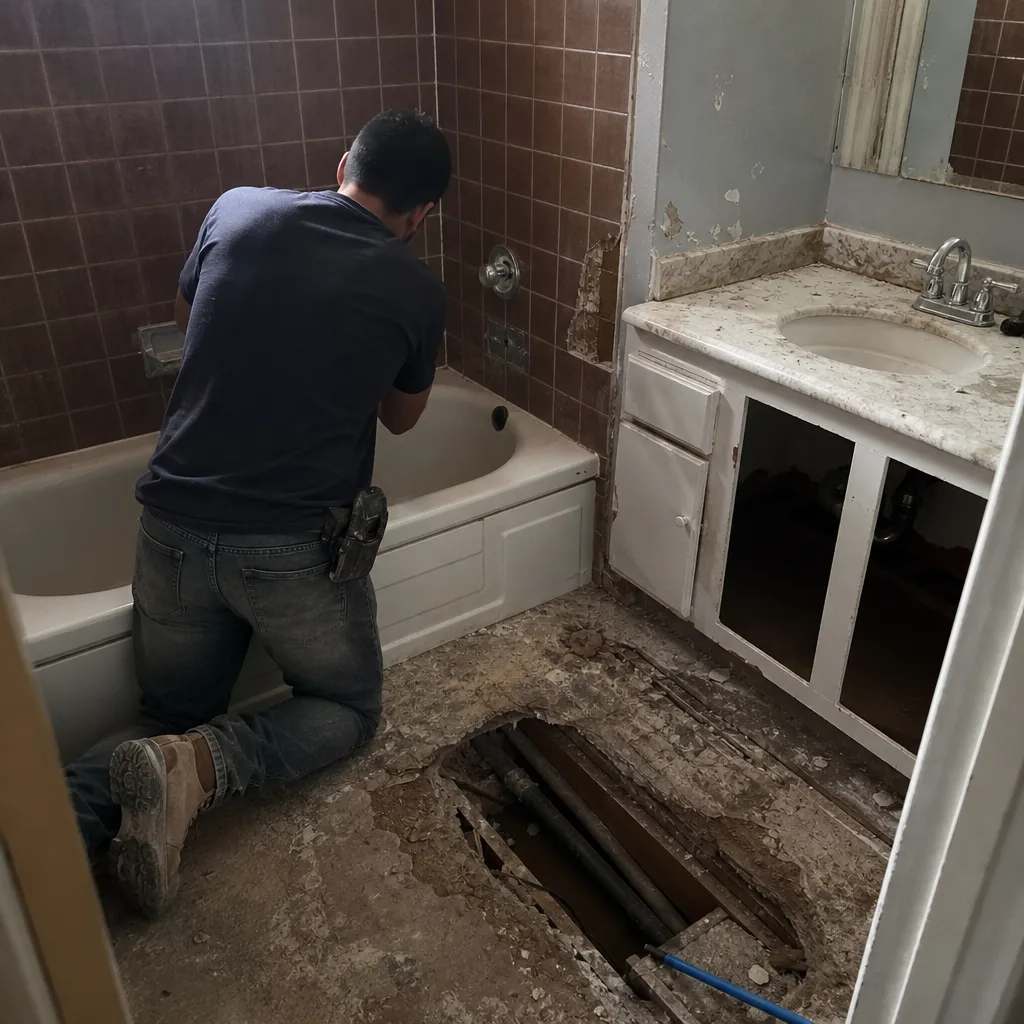
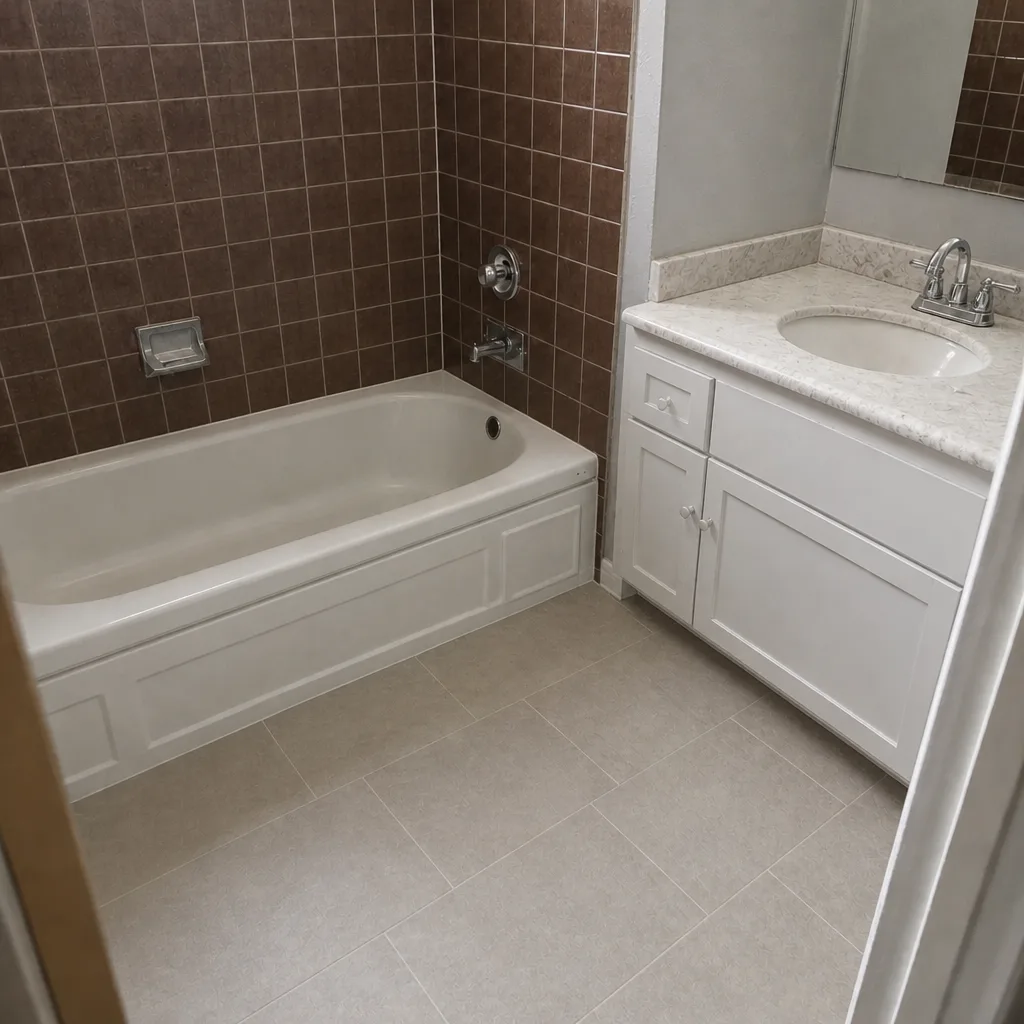
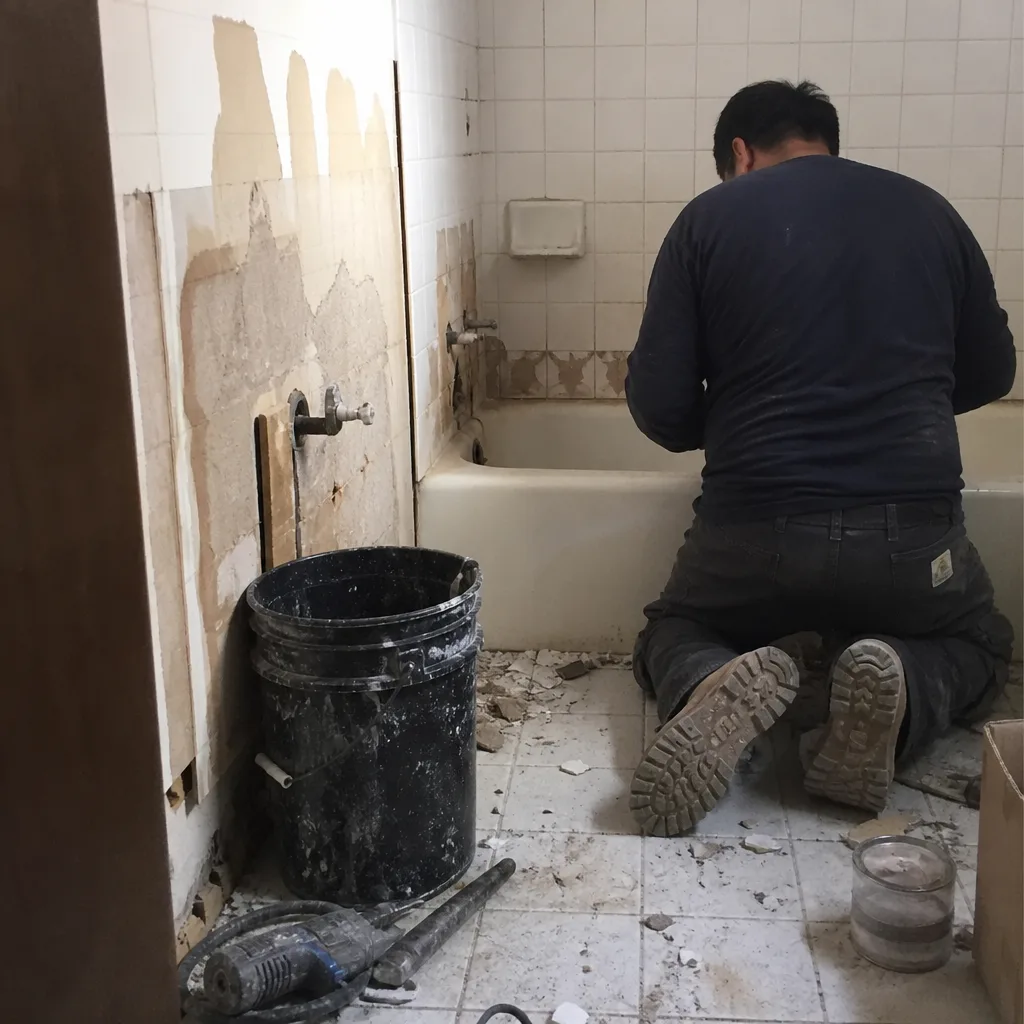
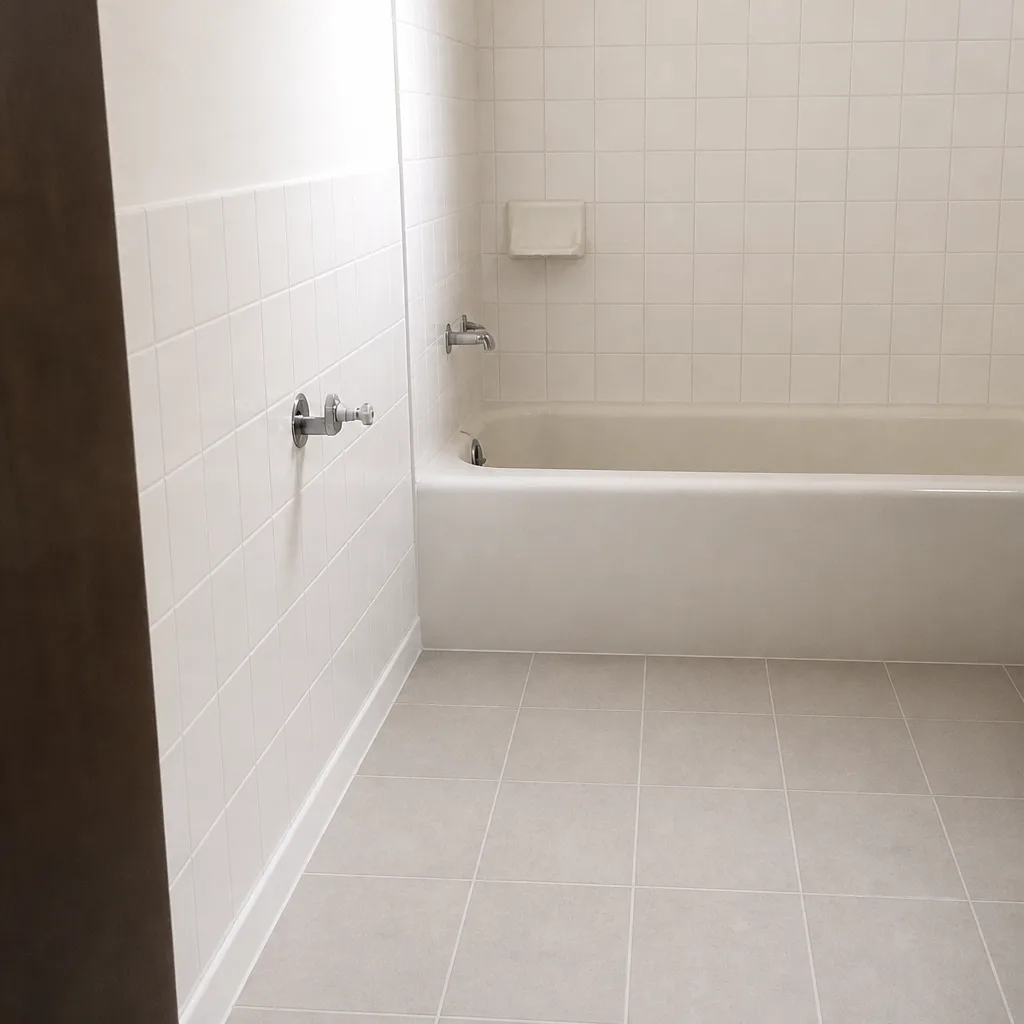
See the difference
 Before
 After
 Before
 After
 Before
 After
When to Call a Professional
Call a professional bathroom specialist when you see water where it shouldn’t be, when a fixture feels loose or a valve won’t turn, or when you’re unsure whether a joint is just cosmetic or hiding a leak. Specifically: recurring dark grout in a shower, hollow-sounding tile, soft drywall near the floor, a toilet that rocks, a shower drain that stays slow after you clear it, or a caulk line that keeps failing in the same spot no matter how many times you redo it. These are the signals that a maintenance check has become a repair.
Bathroom Remodeling Spring Valley offers free estimates in Spring Valley, and we’ll tell you plainly whether a task is a 20-minute homeowner job or something that needs a specialist. Call (844) 312-0122. We answer 24/7. Fast dispatch from 7am to 7pm, Sunday through Friday.
Frequently Asked Questions

Every 12 months in a daily-use shower and every 18 to 24 months in a guest bath. Spring Valley’s hard water wears sealer down faster, so plan on the shorter interval and confirm with the water-drop test. If drops soak in instead of beading, reseal now regardless of the calendar. Call (844) 312-0122 for an exact quote on resealing and waterproofing – estimates are free.
Yes, with a mild method. Soak removable parts like the showerhead and aerator in diluted white vinegar for 20 to 30 minutes, rinse, and dry with a soft cloth. Never use abrasive pads or bleach-based cleaners on the finish, and never spray cleaner at electronic controls. When in doubt, check the manual or ask us.
Recurring dark grout that stays dark after a shower, white efflorescence on the tile, or a wall that sounds hollow or feels soft near the base. Any of these means moisture has gotten past the tile and sealer. That’s the point to call a specialist rather than keep resealing over the symptom.
With the correct maintenance rhythm, a professionally built bathroom can hold its finish and function for decades. The key is the waterproofing layer behind the tile and the caulk and grout that protect it. Warm, dry indoor air and timely resealing are what carry the finish past year ten. Call (844) 312-0122 to talk through what your bathroom needs.
Yes, we’ll walk the bathroom with you so we can see the fixtures, the waterproofing, and the layout. That’s how we give a written line-item estimate with a fixed price and no surprises once work starts. Call (844) 312-0122 to schedule it.
Anything that opens the waterproofing layer, re-grouting a shower floor or wall, replacing a shut-off valve or supply line, and diagnosing recurring moisture. Daily cleaning, monthly descaling, and squeegeeing are homeowner tasks. If a job touches the waterproofing or the plumbing rough-in, it needs a specialist. Our technicians have up to 10 years of experience, which is exactly the depth these calls require.
The Bottom Line
A remodeled bathroom in Spring Valley needs a maintenance rhythm built for its conditions: hard water that etches glass and wears sealer, and desert temperature swings that stress every caulk and grout joint. Keep the weekly and monthly habits, reseal on the 12-month end of the range, descale your fixtures gently, and run the annual inspection that looks past the surface. The payoff is simple. Follow the calendar and your bathroom looks new at year five; skip it and you’ll be recaulking in year two. If you’re planning a remodel or a tub-to-shower conversion and want it built to last, that’s the work we do every day.
For a free estimate on a bathroom project or a maintenance assessment in Spring Valley, call (844) 312-0122. We answer 24/7. Fast dispatch from 7am to 7pm, Sunday through Friday. Explore our Bathroom Remodeling Spring Valley and bathroom remodeling pages to see how we handle the waterproofing details behind every job.
Written by the team at Bathroom Remodeling Spring Valley.